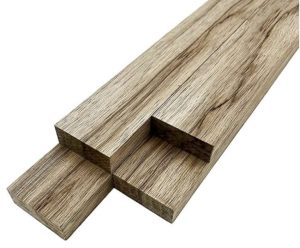
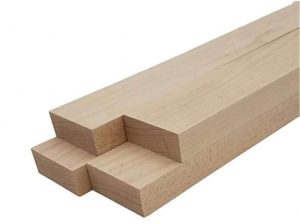
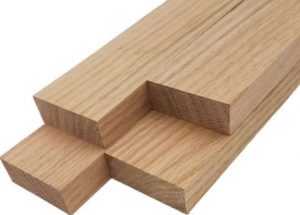
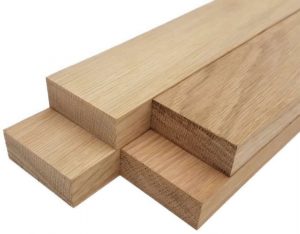
At 3 Dogs Woodworking, the wood itself is part of the design.
Grain, density, color, and workability all influence how a piece looks, feels, and lasts over time. Below are the wood species I work with most often, grouped by category, along with notes on where each is best used.
🌳 Domestic Hardwoods
Reliable, time-tested materials with consistent grain and strength. These woods are well suited for cutting boards, cribbage boards, and heirloom pieces where durability and longevity matter
- Maple
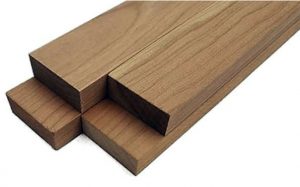
- Cherry
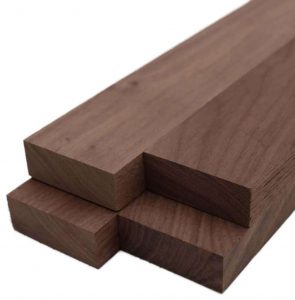
- Black Walnut
- Red Oak
- White Oak
Cutting Board Note:
Red oak and white oak contain natural tannins. When exposed to moisture and iron (such as metal utensils), they may develop dark discoloration. For this reason, red and white oak are not used for cutting board builds.
🌲 Domestic Softwoods
Used selectively for decorative accents, outdoor pieces, and projects where character and appearance are prioritized over hardness. Softwoods are never used for cutting boards.
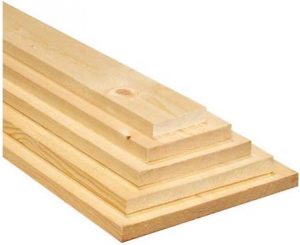
- Pine
- Knotty Pine
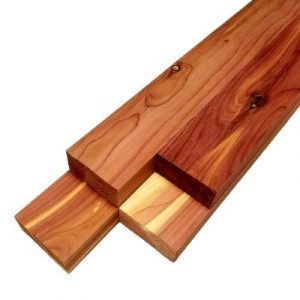
- Aromatic Cedar
Cutting Board Note:
Softwoods are not suitable for cutting boards due to lower density and more porous grain. Cedar also contains tannins that can discolor when exposed to moisture and iron.
🌍 Exotic Hardwoods
Distinctive woods chosen for their color, grain, and personality. These species are often used for statement pieces, accents, and artistic commissions.
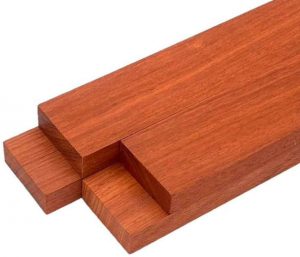
- Padauk
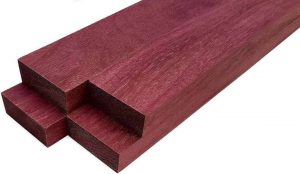
- Purple Heart
- Canarywood
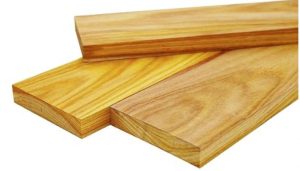
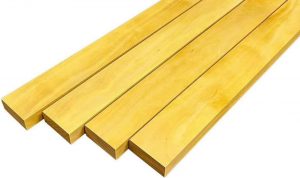
- Yellowheart
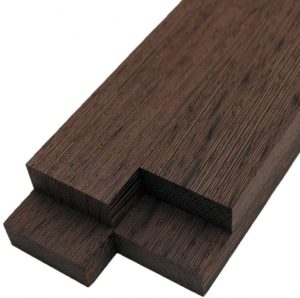
- Wenge
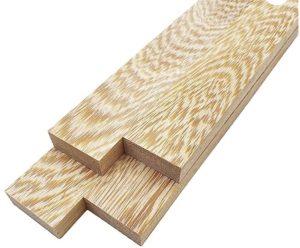
- White Wenge
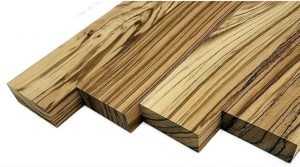
- Zebrawood
- Black Limba
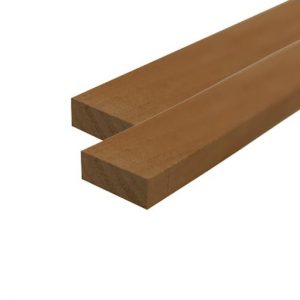
Visual examples of these woods are shown below.
Availability & Pricing Note:
Exotic hardwoods carry an additional charge due to premium cost and limited availability. Not all species are stocked year-round—please reach out to discuss current options.