
THE MATERIAL IS PART OF THE DESIGN
Wood Selection for Custom Woodworking
Color, grain, strength, movement, texture, and purpose all shape the choice—because the right wood does more than look good.
Start With How the Piece Will Live
Wood selection is not a beauty contest. The darkest, brightest, or most dramatic species is not automatically the best choice. A cutting board needs different qualities than a humidor, cribbage board, sign, keepsake box, or outdoor specialty piece. Durability, food contact, moisture, heat, weight, carving detail, seasonal movement, and the way different woods behave together all matter.
Bring the look you are drawn to and the way you expect to use the finished piece. I will help narrow the options to woods that support both—then choose boards whose grain and color give the project its own character.
THE EVERYDAY FOUNDATION
Domestic Hardwoods
Maple, cherry, and black walnut form the backbone of many 3 Dogs Woodworking projects. They are dependable, versatile, and different enough in color to create everything from quiet single-species pieces to bold natural contrast.
Maple
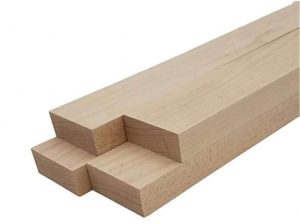
Light in color with a clean, generally tight grain, hard maple creates a bright foundation and strong contrast beside darker woods. Its durability and food-friendly working qualities make it a frequent choice for cutting boards as well as game boards, serving pieces, and detailed custom work.
Cherry
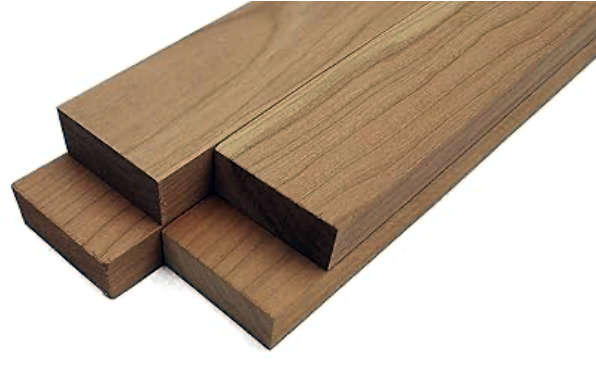
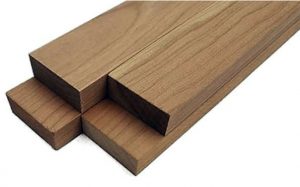
Cherry begins warm and often deepens toward a richer reddish brown with time and exposure to light. Its smooth grain, inviting color, and graceful aging make it equally at home in functional kitchen pieces, boxes, signs, serving boards, and gifts.
Black Walnut
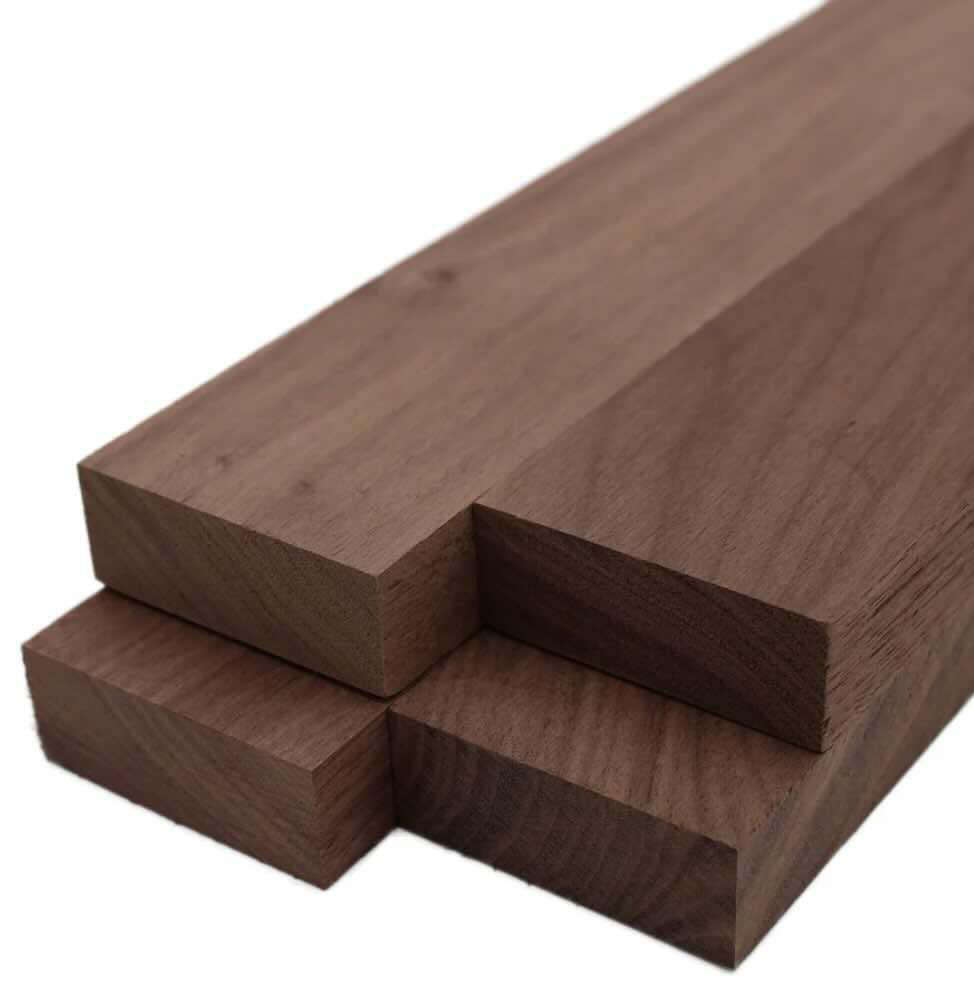
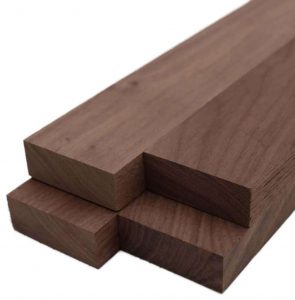
Walnut brings natural depth—from medium brown through dark chocolate, often with lighter sapwood and expressive grain. It can carry a design on its own or provide dramatic contrast with maple, cherry, and brighter accent species.
STRONG, OPEN-GRAINED & PURPOSE-SPECIFIC
Red Oak and White Oak
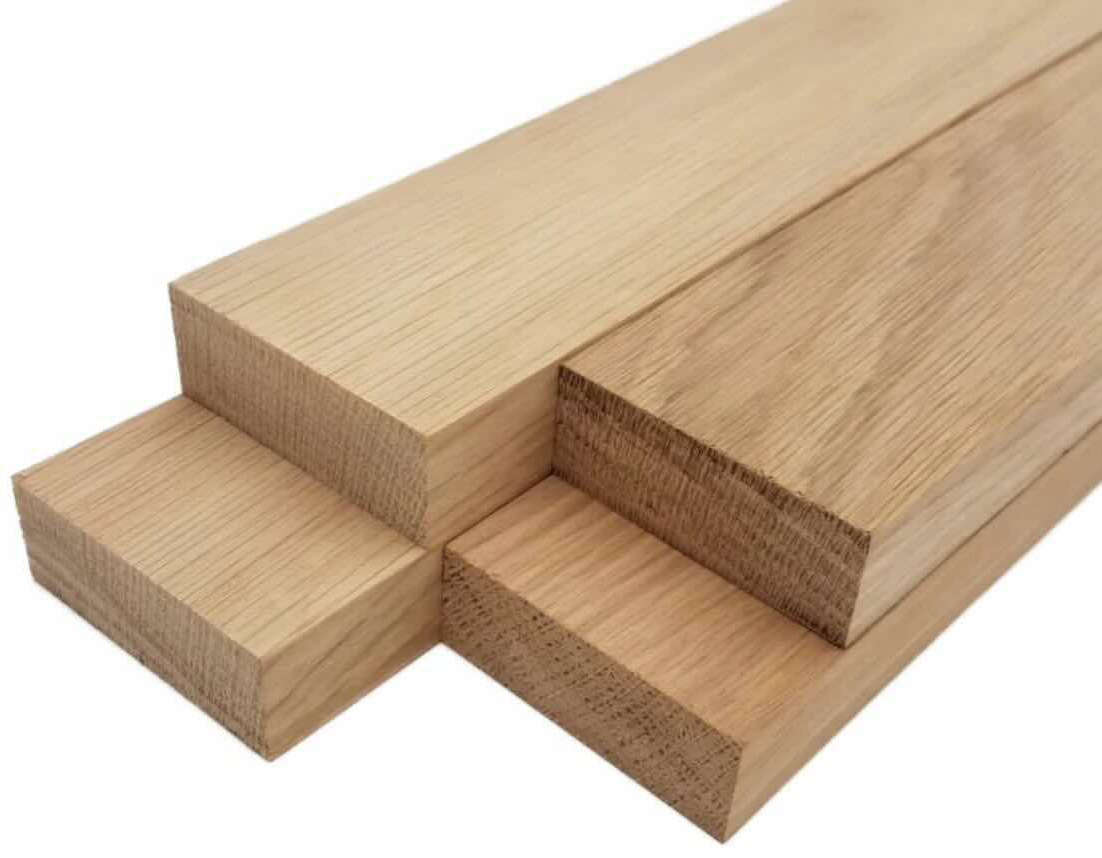
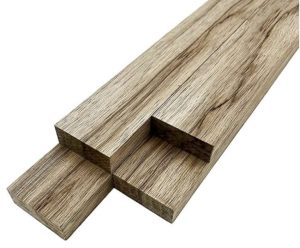
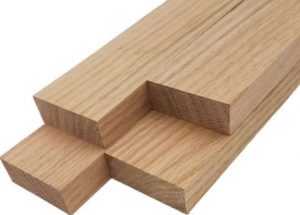
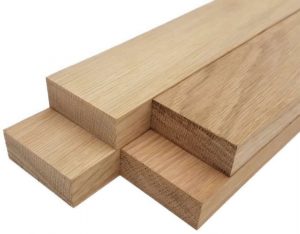
Oak offers strength, pronounced grain, and an unmistakably traditional hardwood appearance. It works beautifully in cribbage boards, signs, furniture-like pieces, retirement gifts, display work, and projects where visible grain should be part of the design.
3 Dogs cutting-board policy: red oak and white oak are not used for cutting boards. Their open grain and natural tannins can create practical concerns around moisture and iron contact, including dark discoloration.
CHARACTER, AROMA & SPECIALIZED USE
Cedar and Other Softwoods
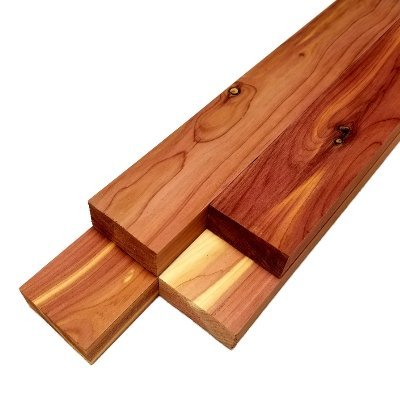
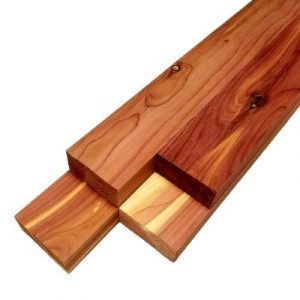
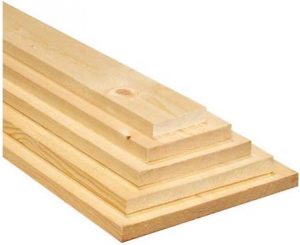
Aromatic cedar brings vivid red, cream, and purple-brown variation, recognizable fragrance, and a rustic character that makes it especially appealing for cribbage boards, keepsake storage, signs, and selected specialty pieces. Pine and knotty pine may also be considered where a lighter, softer, or intentionally rustic material fits the design.
Softwoods are selected for the project rather than treated as substitutes for hardwood. Their lower density and more porous structure make them unsuitable for cutting boards, and cedar’s tannins can also react with moisture and iron.
Spanish cedar serves a different, specialized role and may be used in humidor construction where its traditional properties support cigar storage.
COLOR AND CONTRAST WITHOUT PAINT
Specialty and Exotic Hardwoods
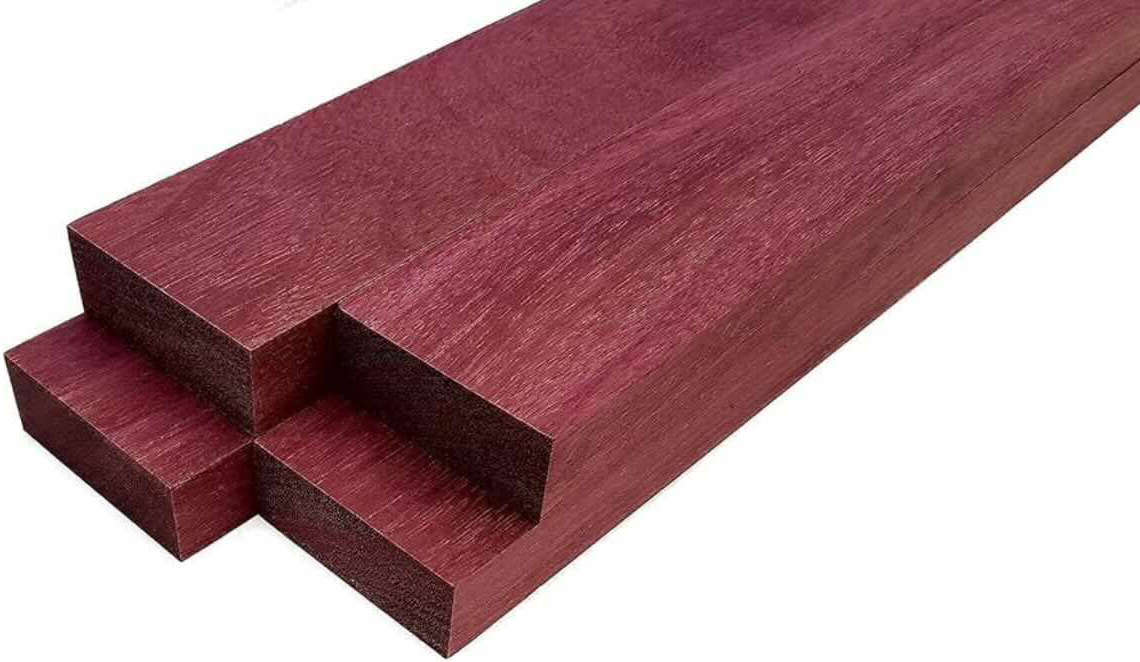
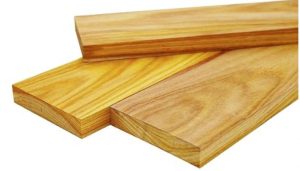
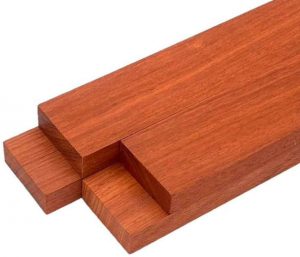
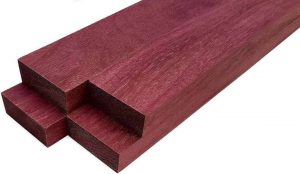
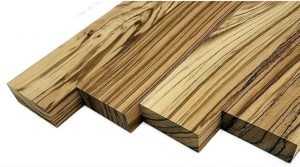
Padauk, purpleheart, canarywood, yellowheart, wenge, white wenge, zebrawood, and black limba introduce color, movement, and grain patterns that domestic woods cannot imitate. They may become the main visual statement or appear as a narrow accent, an inlay, an engraved insert, a handle, a lid, or one carefully placed line of contrast.
Not every specialty species is appropriate for every use, and some change color as they age. The design process considers food contact, hardness, brittleness, grain structure, movement, finishing, and how the wood will behave beside neighboring species—not only how it looks in a freshly cut board.
Availability and pricing: specialty hardwoods carry additional material cost and are not stocked consistently year-round. Current options are confirmed when the project is planned.
See the Natural Range
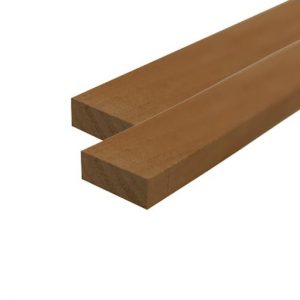
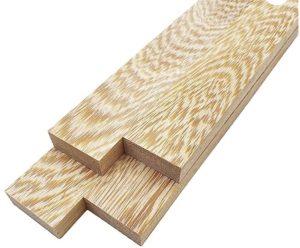
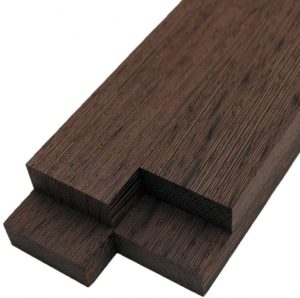
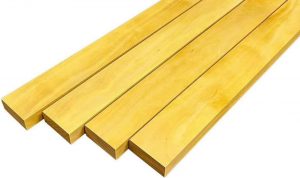
These photographs are guides, not paint chips. Every board varies, and screens cannot reproduce color perfectly. Your finished piece will have its own grain, figure, mineral marks, sapwood, knots, and natural shifts—that variation is part of choosing real wood.
You Do Not Have to Choose Alone
If you already know you love walnut, purpleheart, cherry, or cedar, that is a useful starting point. If all you know is “dark and dramatic,” “warm and traditional,” “light with one bright accent,” or “use whatever grain makes this idea come alive,” that is enough too.
Wood selection is part of the conversation—not homework you must finish before reaching out. Together we can balance appearance, function, availability, and budget around the piece you actually want built. See What I Build for project possibilities or review Pricing & Custom Work for general guidance.
What Should the Wood Bring to Your Project?
Tell me how the piece will be used and what colors, grain, or feeling you are drawn to. We will choose the material from there.